
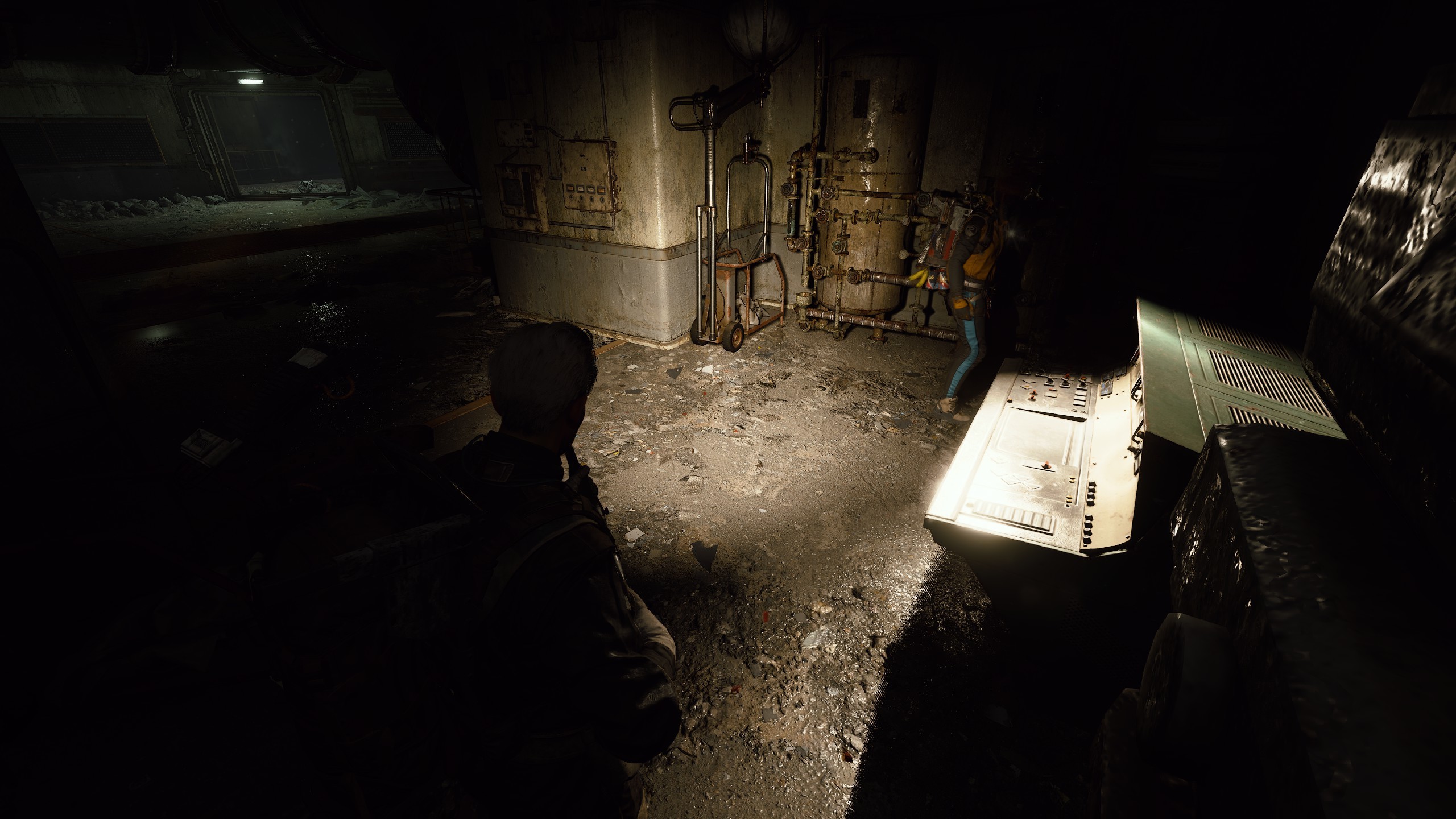
The core identity of the Raider is built upon a profound philosophical and narrative contradiction. We are fighting to preserve the remnants of human civilization and human autonomy against a machine network—yet our very existence depends entirely on utilizing the discarded, often hostile, technology of the enemy and the collapsed Old World. This **Narrative Paradox**—fighting for humanity with inhuman tools—shapes the Resistance’s ethos and technological doctrine, forcing a constant moral and operational balance between necessity and ideological purity.
This analysis explores the deep implications of this paradox, examining how the technological lineage of our arsenal reinforces our tenuous connection to humanity while simultaneously alienating us from it.
The Technology of Necessity vs. The Technology of Humanity
Our arsenal is defined by necessity. The Re-Bar Rifle, the Fusion Charge, the Shield Wall—all are cold, repurposed instruments designed for mining, corporate defense, or even machine warfare. True “human” technology (e.g., medical devices, communication gear) is often fragile, inoperable, or deemed a low tactical priority. The paradox dictates that to survive the day, we must rely on the inhuman tools of industry and war, accepting a fundamental alienation from the peaceful, humane technology we claim to fight for.
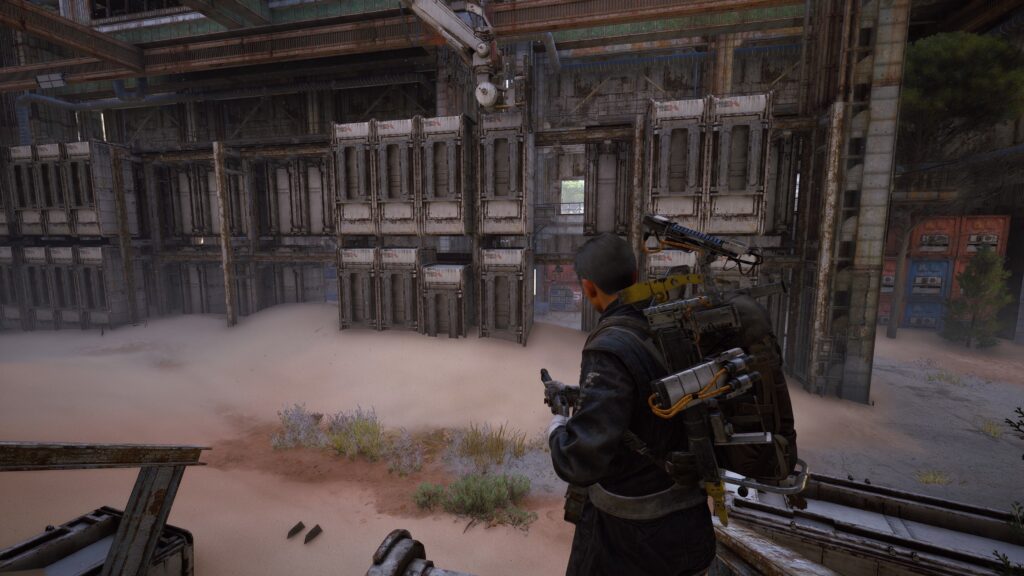
- **Inhuman Tool (Survival):** Fusion Core (used for explosions, scavenged from ARC).
- **Human Tool (Symbolic):** Uncorrupted archival data (used for lore, non-tactical).
The Aesthetic of the Scavenger
The Raider’s visual aesthetic—crude, patched-up armor integrated with angular ARC plating, blinking lights from salvaged sensors—is a constant reminder of this paradox.
Our gear is a collage of both humanity’s failure and the machine’s efficiency. This visual compromise underscores a key narrative tension: how long can we utilize the technology of the enemy before we ourselves become conceptually closer to the mechanical, efficient, resource-driven logic of ARC?
The Paradox of A-Functional Repurposing
A-Functional Repurposing is the philosophical bridge across the paradox. By taking a machine’s logical tool (e.g., a data-scrambling pulse emitter, as used in the Jammer Grenade) and subverting its purpose to cause systemic chaos in the ARC network, Raiders assert their human ingenuity over machine logic. The tool remains inhuman, but its application is a uniquely human act of adaptation and defiance.
Moral Ambiguity and Salvage
The act of salvage itself is morally ambiguous. Raiders must destroy ARC units to acquire the specialized components needed for survival. This creates a reliance on perpetual conflict.
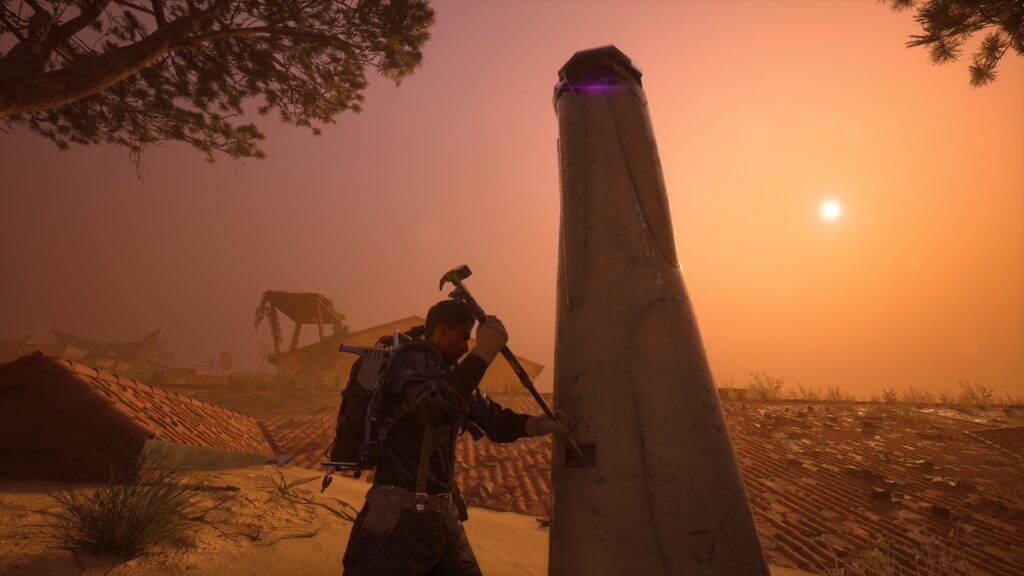
The narrative paradox suggests that while we seek peace, our technological progression demands the continuous harvesting of the enemy, potentially locking the Resistance into a cycle of necessary violence.
The Role of the Community Hub in Balancing the Paradox
The Community Hub serves as the primary sanctuary for our humanity. It is here that the raw, inhuman components are transformed through human ingenuity and cooperation (CP, TCT). More importantly, the Hub preserves human lore, art, and archival data. This preservation ensures that the Raiders’ operational savagery in the field is anchored by a clear, humanistic objective: the creation of a world where machine tools are no longer necessary for survival.
Conclusion: The Defining Struggle
The Narrative Paradox is the defining struggle of the Raider—a constant tension between pragmatic survival and ideological purpose. We are the inheritors of technological decay, forced to wield the remnants of the machine age to fight the machines themselves.
Our ultimate victory will not be defined by the technology we use, but by our ability to discard the inhuman tools once humanity is secured.
Leave a Reply